
Should I Be Taking Creatine… and Is the Hype Actually Worth It?
Dec 23, 2025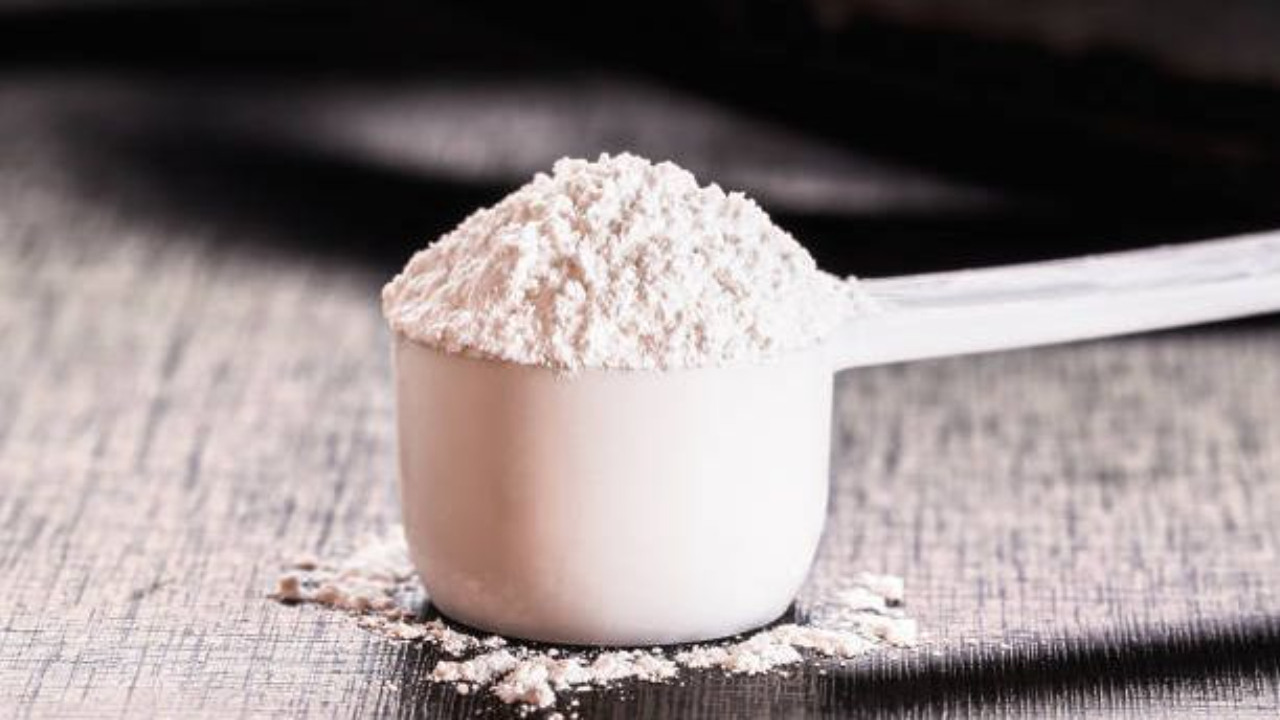
Creatine is having a moment.
It’s everywhere – Instagram, podcasts, gym chats – and if you’re anything like most women I work with, you might be wondering: Is this just another supplement trend… or is there actually something in it for me?
Once known purely as a “gym bro” supplement, creatine is now one of the most researched supplements in the world, with growing evidence for benefits that go well beyond performance. We’re talking muscle, bone, brain, metabolism and healthy ageing - which makes it particularly relevant for women moving through perimenopause and menopause.
So let’s cut through the noise.
What Is Creatine (and Why Should You Care?)
Creatine is a naturally occurring compound your body makes in small amounts in the liver, kidneys and pancreas from amino acids (the building blocks of protein).
Its main job is helping your body produce ATP – basically your cells’ energy currency. ATP fuels short, sharp bursts of energy like lifting weights, standing up out of a chair, climbing stairs… and yes, even helping your brain cells fire properly.
Most of your creatine is stored in skeletal muscle, but it’s also found in the brain, heart and other tissues, which explains why its benefits aren’t limited to the gym floor.
Can You Get Enough Creatine from Food? (Yes… But Also No)
Creatine is naturally found in animal-based foods like red meat, fish and poultry. So yes, food contributes.
But here’s the catch:
To reach the creatine levels used in most research, you’d need to eat a lot of these foods every single day. For most people, especially women, that’s just not realistic.
And if you:
- Eat less red meat
- Are vegetarian, vegan or flexitarian
- Or simply don’t feel great eating large amounts of animal protein
…then dietary creatine intake is likely quite low. Plant foods don’t contain creatine at all.
So while “food first” is always a good philosophy, diet alone usually isn’t enough to fully top up creatine stores, particularly as we age.
So… What Are the Benefits for Women?
- Muscle & Strength: A Game-Changer in Midlife
Creatine helps you:
- Train harder
- Recover faster
- Build and preserve lean muscle
- Improve strength and power
And this matters a lot in perimenopause and menopause.
From our 30s onwards, muscle mass naturally declines. Hormonal changes around menopause accelerate this process, making it harder to maintain strength – even if you’re exercising.
Strong muscles aren’t just about aesthetics. They support:
- Bone health
- Metabolism
- Balance and mobility
- Everyday function (hello, carrying groceries without effort)
Creatine doesn’t replace strength training – but it amplifies the benefits, which is exactly what we want as our hormones shift.
- Bone Health: A Quiet but Important Role
The drop in oestrogen during menopause increases the risk of bone loss and osteoporosis.
Creatine isn’t a bone supplement per se, but research suggests it can:
- Enhance the bone-building response to resistance training
- Support bone density indirectly by increasing muscle strength and force
Think of creatine as part of the team – working alongside strength training, adequate protein, calcium and vitamin D to protect bone health long-term.
- Brain & Mood: Not Just a Muscle Thing
Creatine also plays a role in the brain, where energy demand is high.
Emerging research suggests creatine may help with:
- Memory and attention
- Cognitive processing
- Mental fatigue
Which is particularly relevant during perimenopause and menopause, when many women experience brain fog, poor concentration, low mood and mental fatigue.
Is it a cure-all? No.
But as part of a broader lifestyle approach, creatine may offer subtle but meaningful brain support, and honestly, many women will take any help they can get in this department.
- Metabolism & Energy: Supporting Daily Life
Declining oestrogen affects metabolism in several ways:
- Resting energy expenditure drops
- Fat distribution shifts (hello, middle-aged muffin top)
- Glucose metabolism changes (you might see an increase in blood glucose pathology)
Creatine supports metabolic health by:
- Helping muscles use glucose more efficiently during activity
- Supporting lean muscle mass, which is a key driver of metabolic rate
It’s not a fat-burning supplement. But by helping you train better and maintain muscle, it supports metabolic health over time.
How Much to Take (and How to Use It)
The most researched form is creatine monohydrate.
- 3–5 grams per day is a safe, effective dose for most people
- Timing isn’t critical, take it whenever it fits your routine
- Many women prefer taking it with food or post-workout
Some people experience mild bloating or water retention initially. This usually settles, but if monohydrate doesn’t agree with you, creatine HCL may be better tolerated (though it’s less widely available).
Who Should Be Cautious?
Creatine isn’t recommended without medical guidance if you have:
- Pre-existing kidney disease
- Reduced kidney function
Creatine doesn’t damage healthy kidneys, but it can slightly raise creatinine levels, which can complicate blood test interpretation.
If in doubt – check with your GP.
The Bottom Line
The science on creatine is solid, especially for women in midlife.
✔ Improved strength and muscle retention
✔ Better response to resistance training
✔ Potential brain and mood support
✔ Metabolic and bone health benefits
While you can get creatine from food, the amounts needed for measurable benefits are hard to achieve through diet alone, particularly as we age.
Creatine isn’t a magic bullet.
But it is safe, affordable, well-researched, and for many women in perimenopause and menopause, absolutely worth considering as part of a well-rounded approach to health, strength and vitality.
Stay connected with news and updates!
Join the mailing list to receive the latest nutrition information and recipes.
